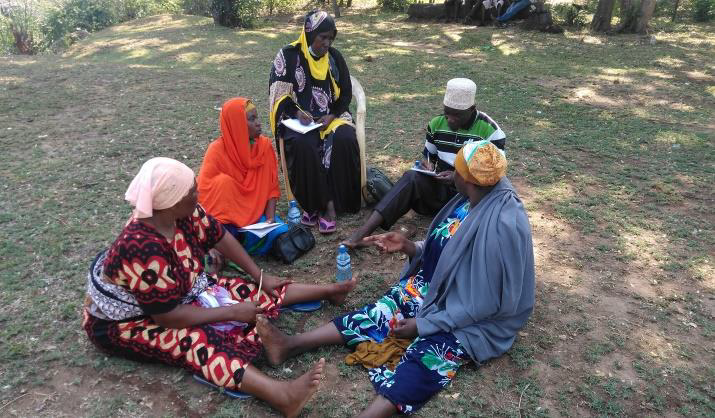
In 2021 the FoRel Project completed the writing and performing of two forum theatre plays in Msambweni, Kwale, Kenya. Each of them based on the fieldwork done over the previous two years- namely interviews and discussions with all types of people living and working in Msambweni (of the Digo tribe).
FoRel stands for Forum theatre and Relational, two of the approaches the project is taking. The project carried out forum theatre, a type of participatory theatre created to get the audience involved and empower them. The project is relational, a perspective which emphasizes that relations are more important than units, that everything unfolds or comes about from relations and experiences, never static.
The aim of FoRel, coming to an end this year, was to put together Forum Theatre performances with people who live in coastal East and Southern Africa as a means to provide the space for them and their friends, neighbours, families, communities, to think about, act out, discuss, dispute, and maybe take action on the climatic, natural, social and economic changes happening around them, with them and/or through them.
Jekejeke (equivalent to trouble in Kiswahili) captures the social issues to do with early pregnancies, misconduct among young people, drug use and alcoholism. These conflicts came directly from people’s voices during fieldwork and were subsequently written into a script called Jekejeke by Matuga Arts Troupe in collaboration with Mwaembe BMU (Beach Management Unit) and the Msambweni Community, Kwale, Kenya.
We invite you to sit back and watch the Jekejeke performance as a means to see how a local coastal community in Kenya frames, navigates and sees solutions for the problems they face. Communities like Msambweni sit on the front line of climate change but are also highly dependent on natural resources through farming and fishing. The narratives they presented to us during research in 2019-2021, including the issues in Jekejeke, highlight the different entangled changes the Digo are confronted with (not simply climate change), as prioritized by them. Narratives are vehicles for reasoning and meaning, so by studying them we can see how people reason around, for the example the origin of environmental or social changes. Understanding how people frame issues and solutions allows insight into sources of renewal and/or lock-ins for securing and developing future livelihoods.
(The original script for the play in case you wish to read it can be found on this website under the “Theatre” tab)
 FoRel
FoRel 